What a certificate of authenticity should actually say
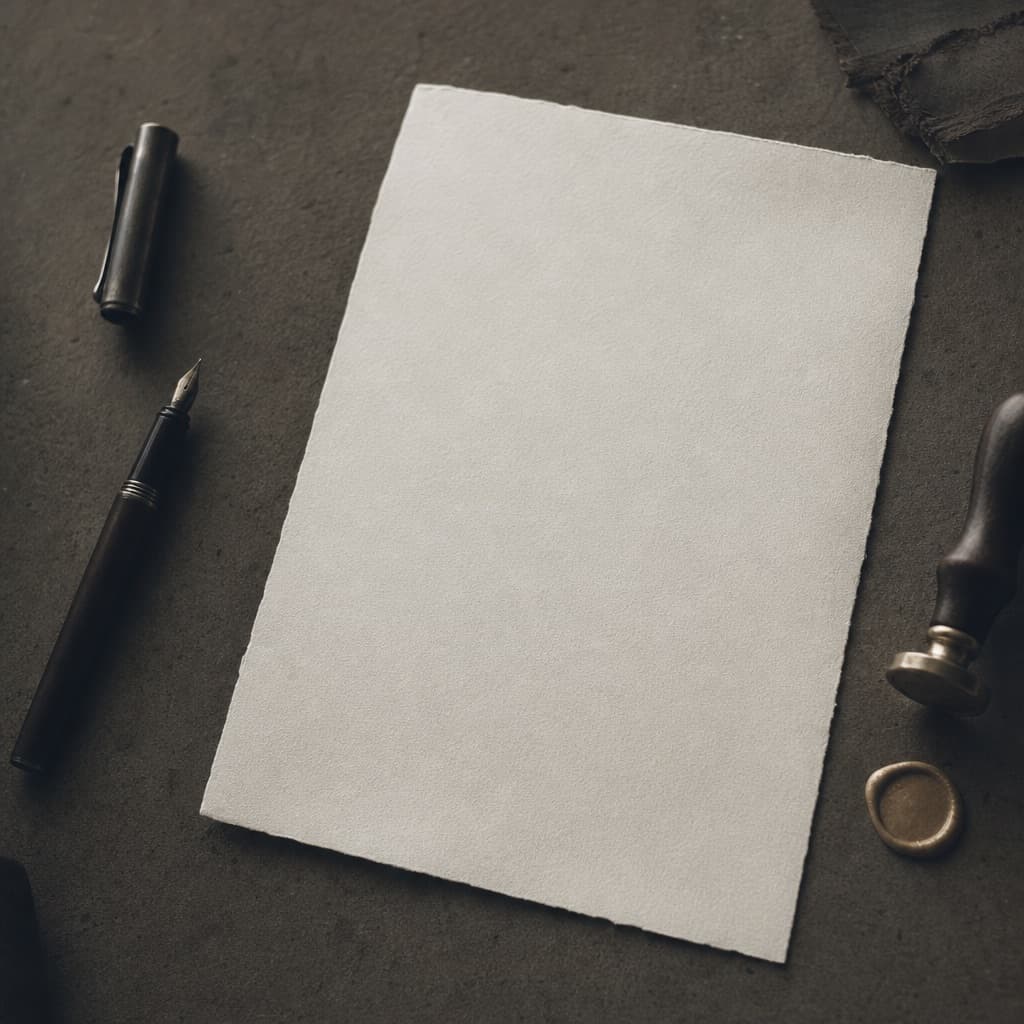
A certificate of authenticity has no legal standing on its own. It is not a guarantee and not a title deed. What it is, when done properly, is a record — and a record is what lets a work be insured, resold, lent or inherited without argument.
Which means the useful test is not whether a certificate looks impressive. It is whether it says enough to identify one object among thousands.
The six things that matter
- Title and year. Both. A title alone is not unique; artists reuse them.
- Medium and support. ‘Oil on linen’ tells you more, and is harder to fake, than ‘mixed media’.
- Exact dimensions. To the centimetre, and stated as height × width. This is the field that identifies the object.
- Edition information. For a print: the number and the run size. For an original: an explicit statement that it is unique. Silence here is the most common evasion.
- The artist’s signature. On the certificate, not only on the work.
- Who issued it, and how to reach them. A certificate from an unreachable party is worth nothing in ten years.
Wording that should make you ask questions
‘Limited edition’ with no number. Limited to what? An edition of 10 and an edition of 10,000 are both limited.
‘Hand-embellished’. Usually means a print with brushstrokes added on top. Not dishonest in itself — but it is a print, and it should say so.
‘Giclée’ with nothing else. The word just means inkjet. It says nothing about paper, ink or permanence. Ask about those instead.
‘Certified authentic’ by an unnamed authority. Certified by whom?
Keep it with the work
Photograph it, and store the photograph somewhere that survives a lost laptop. If the original goes missing, an artist who keeps proper records can reissue one — which is the practical reason to buy from studios that do.
When you sell
The certificate travels with the work, always. Tell the studio the piece has changed hands so the record stays continuous. That continuity is what provenance is, and it is built one transfer at a time.